Reviving your first creature is the moment the Fossils and Archeology Mod clicks. This guide takes you from a pickaxe to a tame, healthy dinosaur, with the mistakes that cost most players their first hatch.
Step 1: find fossils
Fossil blocks generate in stone at many depths and look like stone with bone shapes. Mine them to get bio-fossils, relic scraps and sometimes skulls.
Other sources worth checking
Permafrost in cold biomes can hold frozen remains, and tar pits hide their own fossils. Exploring these areas widens the range of species you can revive.
Step 2: extract DNA
Craft an Analyzer and place your bio-fossils inside. Each one returns DNA from a random creature, along with bone meal and other by-products.
Collect in batches
Analysing ten or more fossils at once saves time and gives you a spread of species to choose from.
Step 3: grow the embryo or egg
Craft a Culture Vat and load it with DNA plus the materials shown in its slots. Depending on the species, it produces a dinosaur egg or, for mammals, an embryo.
Reptiles and birds
Dinosaur eggs come straight out of the vat, ready to place.
Mammals
Mammal embryos are loaded into a syringe and used on a host animal such as a cow or pig, which later gives birth to the prehistoric baby.
Step 4: hatch and imprint
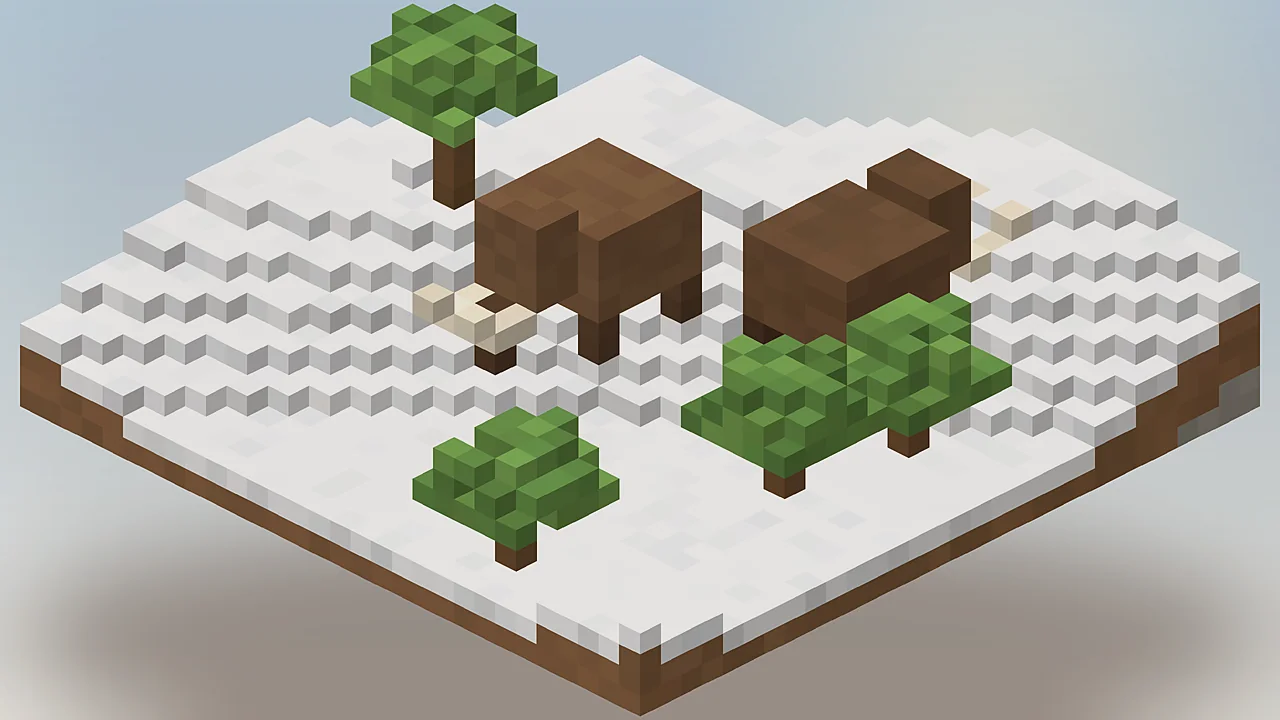
Place land eggs somewhere warm and well lit, and aquatic eggs in water. Stay nearby. A hatchling that sees you first imprints on you and becomes tame.
Track it with the Dinopedia
Right-click the egg or creature with the Dinopedia to see hatching progress, hunger, age and mood.
Step 5: keep it happy
Build a Feeder and fill it with meat or plants to match the diet. Give each species room, because cramped or hungry creatures can turn aggressive. Fence carnivores away from livestock.
Riding and commands
Larger tame species can be ridden with a whip once they grow up. Keep a spare whip and saddle materials in your base.
Ready to start? Grab the right build from the download page, then read the full player guide for advanced tips.
